
The first thing the Himalayas take from you is your breath — literally. The air thins, your legs slow, and the world narrows to the next step, the next switchback, the next ridge. The second thing they take is your sense of time. Up there, between the prayer flags and the silence, nothing moves the way it does at sea level. And then — somewhere between exhaustion and wonder — something unexpected happens. You get hungry. Not the polite, scheduled hunger of a busy workday. A rawer, more honest kind. The kind that only a mountain can produce. And it is in that hunger that Nepal reveals its best kept secret — a cuisine so deeply tied to its land, its people, and its history that every meal feels less like eating and more like listening.
I went to Nepal for the trek. I stayed for the food.
This is something nobody quite prepares you for. You read about the trails, the altitude, the prayer flags snapping in the cold wind, the silence that settles over you above the treeline. But nobody tells you that Nepali cuisine will stop you mid-bite and make you set down your spoon just to sit with the feeling of it. Nobody tells you that the simplest food, cooked at the highest altitudes, can carry the weight of an entire culture in a single mouthful.
The Thakali Thali — A Meal That Was Built for the Mountains
My first real encounter with Nepali food came in a small teahouse somewhere along the trail — wooden walls, a single gas burner, a woman who looked entirely unbothered by the altitude and entirely certain about what I needed to eat.
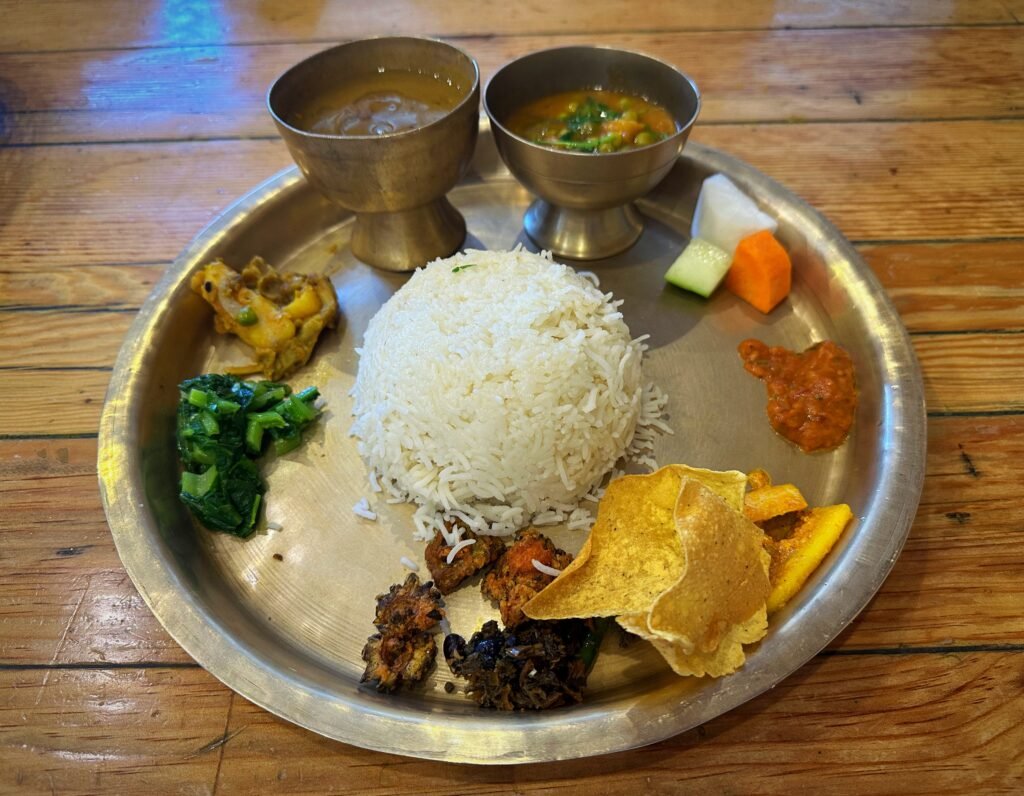
What arrived was a Thakali Thali — and it was, without exaggeration, one of the most satisfying meals I have ever eaten.
Dal, rice, gundruk, leafy greens, a tart and punchy pickle on the side. Nothing fancy. Nothing performed. Just food that understood exactly what a body needed after hours of walking uphill in thin air. The dal was warm and deeply spiced. The gundruk — fermented leafy greens — had a sourness that cut through everything else like a palate reset. The pickle was fierce and bright.
The Thakali people, originally from the Mustang region, designed this thali for practicality — it was fuel for traders and travellers crossing mountain passes for centuries. Eating it on a trail, I felt connected to every person who had sat in that same exhausted, grateful way before me. That is what the best food does. It dissolves the distance between you and history.
Mithila Thali — Where Food Becomes Art
Further along my journey, closer to the Terai lowlands, I encountered something visually arresting — the Mithila Thali. If the Thakali thali is mountain pragmatism on a plate, the Mithila thali is its southern counterpart: abundant, colourful, and deeply rooted in a cultural tradition that treats beauty as inseparable from nourishment.
Rice, lentils, taruwa — crispy vegetable fritters with a satisfying crunch — alongside curd and an array of seasonal vegetables, each cooked with its own distinct personality. The Maithili people of this region are famous for Mithila art — vivid, geometric paintings that adorn everything from walls to pottery. Their food, I realised, is painted with the same sensibility. Every element on the plate has its place. Every colour is intentional.
It reminded me of something my grandmother used to say — that a well-laid plate tells you everything about the person who made it. The Mithila thali told me about a people who find meaning in abundance, in colour, in the act of feeding someone well.
Sel Roti — The Taste of Celebration
There are foods that exist purely to mark joy — and Nepal has one of the most perfect examples I have ever tasted.
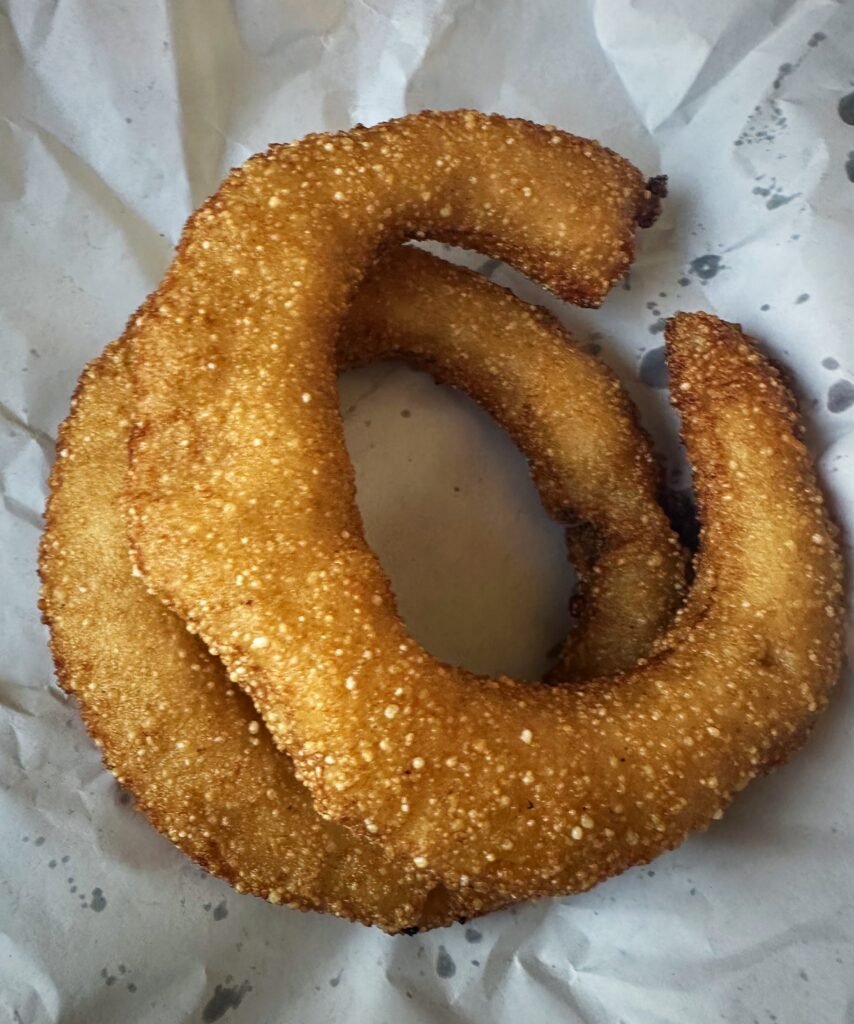
Sel Roti is a homemade ring-shaped bread made from rice flour, fried until golden and impossibly crisp on the outside, yielding to something soft and subtly sweet within. It is traditionally made during Dashain and Tihar — Nepal’s most beloved festivals — and you can find it at roadside stalls and family kitchens across the country during those seasons.
I tried mine from a woman who was frying them in a large wok by the side of the road, moving with the kind of unhurried efficiency that only comes from making the same thing thousands of times. She handed it to me wrapped in newspaper, still hot. I ate it standing up, in the cold morning air, and I thought — this is what celebration tastes like when it is stripped of everything unnecessary. Just rice, just warmth, just something made by hand for the people you love.
The Khaja Set — The Newari Power Snack
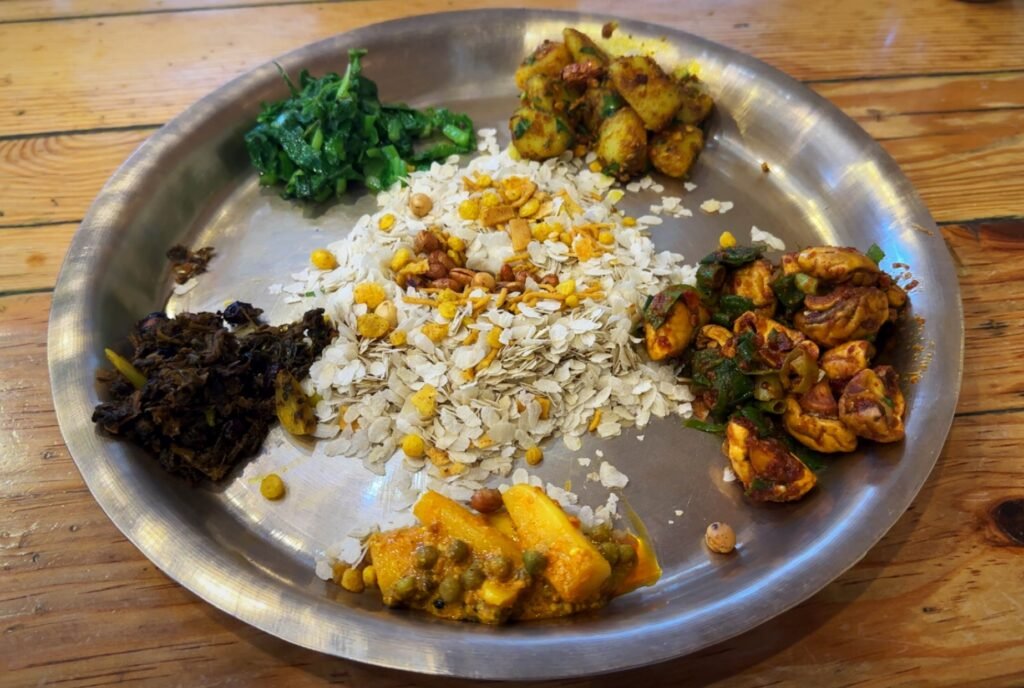
If you spend any time in the Kathmandu Valley, you will eventually encounter the Newari community — and if you encounter the Newari community, you will eventually be handed a Khaja Set, which is less a snack and more a quiet act of cultural generosity.
Beaten rice — chiura — forms the base: light, dry, slightly nutty. Around it gathers a constellation of accompaniments. Baras, savoury lentil patties fried to a crisp edge. Chhoyla, spiced and flame-charred meat with a smokiness that lingers on the palate. A boiled egg. Pickles sharp enough to make your eyes water in the best possible way.
It is the kind of food that sustains you through a long trek without ever weighing you down — practical in the way that all great food is practical, which is to say it feeds the body while also doing something quieter and more important for the spirit. I ate my Khaja Set sitting on the steps of a temple in Bhaktapur, watching the city go about its morning, and I understood completely why this has been the Newari community’s food of choice for generations.
Lassi and Local Brews — The Drinks That Complete the Story
No exploration of Nepali food culture is complete without its drinks — and Nepal takes its drinks seriously.
The lassi I had in a small dairy town was nothing like the thin, sweet versions I had grown up with. This was thick, almost spoonable, enriched with khuwa — reduced milk solids — that gave it a richness bordering on indulgent. Cold, faintly tangy, deeply creamy. I ordered two.
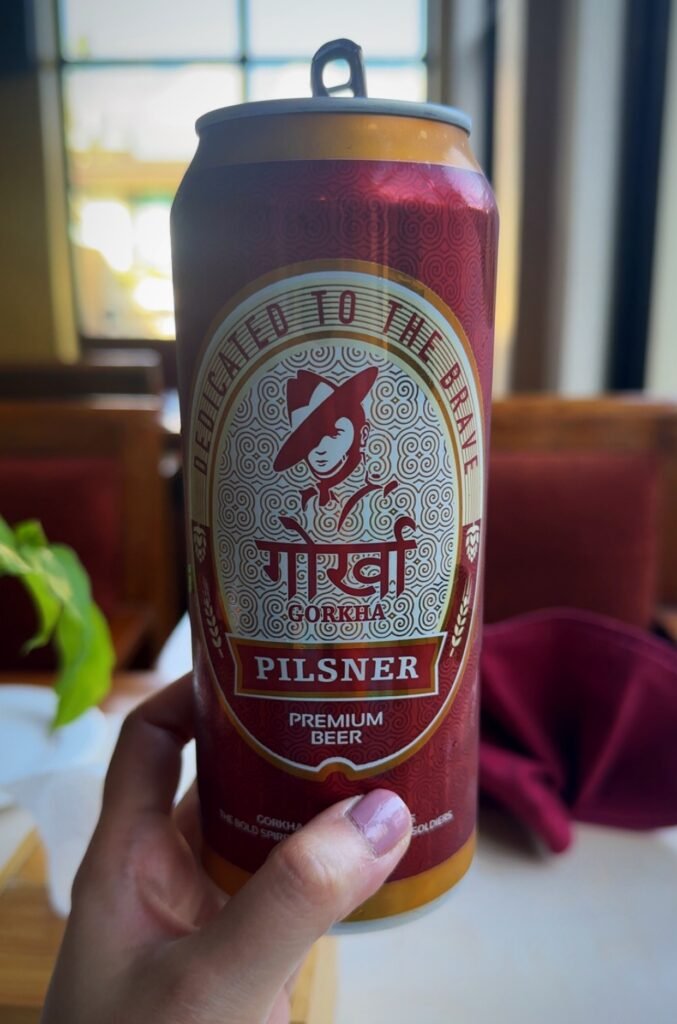
And then there is the matter of Nepal’s local brews — a chapter unto themselves. Every region has its own. Tongba is the one that surprised me most: a warm fermented millet drink served in a tall wooden vessel, drunk through a bamboo straw, refillable with hot water as you go. It is earthy and gentle and perfect for cold evenings at altitude. Chyang, the local rice beer, is cloudier and more rustic — the kind of drink that tastes exactly like the place it was made in. Small-batch craft brews from the hills round out a drinks culture that is as varied and thoughtful as the food it accompanies.
What Nepal Taught Me About Food and Culture
I came back from Nepal with tired legs, a full memory card, and something harder to name — a recalibration of what I think food is for.
Nepali cuisine is not trying to impress you. It is not performing complexity or chasing trends. It is doing something far more difficult and far more valuable: it is feeding people honestly, using what the land provides, in ways that have been refined by centuries of mountain living. It is food that knows exactly what it is and makes no apologies for it.
And that, I think, is the most important thing food can do. Not dazzle. Not decorate. But nourish — the body, yes, but also the sense of place, of belonging, of being somewhere specific in the world and eating what that somewhere has always eaten.
My grandmother understood this. The mountains of Nepal confirmed it.
If you want to understand a culture, look at what they eat. Nepal fed me views, yes. But more than that, it fed me a story — and I am still, happily, digesting it.

Have you explored Nepali cuisine? A dish that stayed with you, a teahouse that surprised you, a drink you’re still thinking about? Write to me at nishtamhane@gmail.com — I’d love to hear your story.


qkyuopnmtxsunydrjxsyipwtvtyozu